
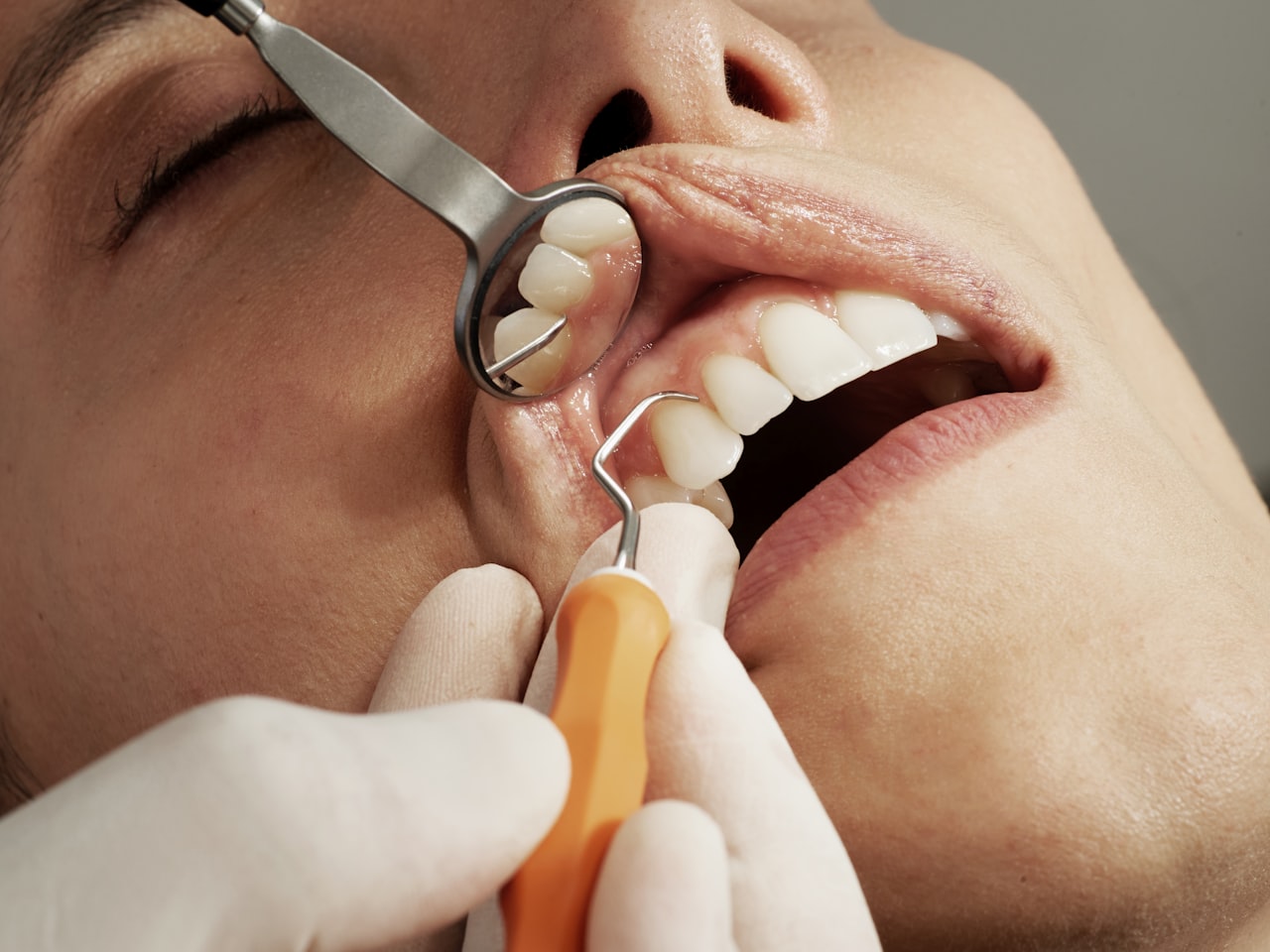

Britain’s NHS dental system has reached what dentists themselves describe as breaking point. The British Dental Association estimates that 13 million adults in England — more than a quarter of the adult population — were unable to access NHS dental care in the past two years, with 5.6 million having actively tried and failed to secure an appointment. Despite a package of contract reforms that came into force on 1 April 2026, campaigners and frontline practitioners warn that the changes are insufficient to reverse a workforce exodus that is hollowing out NHS dentistry across large parts of the country.
The scale of the access crisis
The geography of the problem has expanded dramatically in recent years. The BDA’s 2026 mapping data — drawn from a survey of more than 20,000 UK dental practices — identifies what it calls “dental deserts”: postcode areas where no NHS practice is taking on new adult patients. These deserts now cover most of the South West, parts of East Anglia, much of rural Wales and significant tracts of Yorkshire and the North East. In the worst-affected areas, fewer than 2% of practices accept new NHS adult patients, forcing residents either to travel long distances, pay private fees averaging £45–£75 for a routine check-up, or — in a phenomenon that NHS leaders describe as “shocking but increasingly common” — go without care entirely.
The consequences are visible in A&E. Hospital admissions for tooth extractions remain the single biggest reason for hospital admission among children aged 5 to 9 in England, with around 40,000 children a year requiring general anaesthesia for procedures that, in the BDA’s words, are “almost entirely preventable” with regular preventive care. Adult presentations to A&E with dental abscesses and severe oral pain have also risen sharply.
What the April 2026 reforms changed
The contract reforms introduced by the Department of Health and Social Care on 1 April 2026 are the first significant changes to the NHS dental contract since 2006 and were drafted in response to repeated warnings from the BDA, Healthwatch England and the Public Accounts Committee. The package includes fixed payments for high-needs care (£284 for a course of treatment involving five or more decayed teeth, £709 for caries combined with unstable periodontitis, £248 for treatment of new Grade C periodontitis), a 76% increase in payments for urgent care (rising to £75 per course of treatment with a £15 upfront capacity payment) and new powers to delegate preventive work — particularly fluoride varnish application — to dental nurses and therapists.
The Treasury is also clawing back approximately £900 million over the next three years from contracts where practices have not delivered the agreed volume of NHS work, with the recovered funding intended for redistribution to areas of greatest need. Health Secretary Wes Streeting has described the package as “the first step in fixing what we inherited”.
Why the BDA says it is not enough
The dental profession’s response has been markedly cooler than ministers had hoped. The BDA’s central concern is that the reforms preserve the underlying UDA (Units of Dental Activity) system, which dentists have long argued penalises them for treating patients with complex needs and rewards high-throughput, lower-quality care. The 2026 changes graft additional payments onto this framework rather than replacing it. The BDA estimates that, even with the new urgent care rates, more than 50% of NHS dental practice owners consider their NHS work financially unviable in 2026 — a sharp rise from previous years and a figure that suggests further withdrawal from NHS provision is likely.
The workforce data tells a similar story. NHS England has lost more than 2,000 full-time equivalent dentists from NHS commitments over the past two years, with practices increasingly converting to fully private models or to mixed models in which only minimal NHS hours are offered. Recruitment of overseas-trained dentists is being expanded under a March 2026 funding package, but registration and language requirements mean the practical impact is unlikely to be felt until 2027 or 2028.
What patients can do
For patients struggling to find NHS care, the BDA recommends checking the NHS App and the Find a Dentist service regularly, as practices occasionally reopen waiting lists. Those with urgent dental needs — severe pain, swelling, or trauma — are advised to call NHS 111, which can refer urgent cases to commissioned emergency dental services. Patients on low incomes may be eligible for full or partial fee exemption through the NHS Low Income Scheme. Households facing repeated difficulty accessing NHS care are increasingly turning to dental cash plans and private medical insurance with dental add-ons, the latter of which has seen a reported 400% surge in interest in 2026.
— Thomas Hargreaves, London Capital Post