
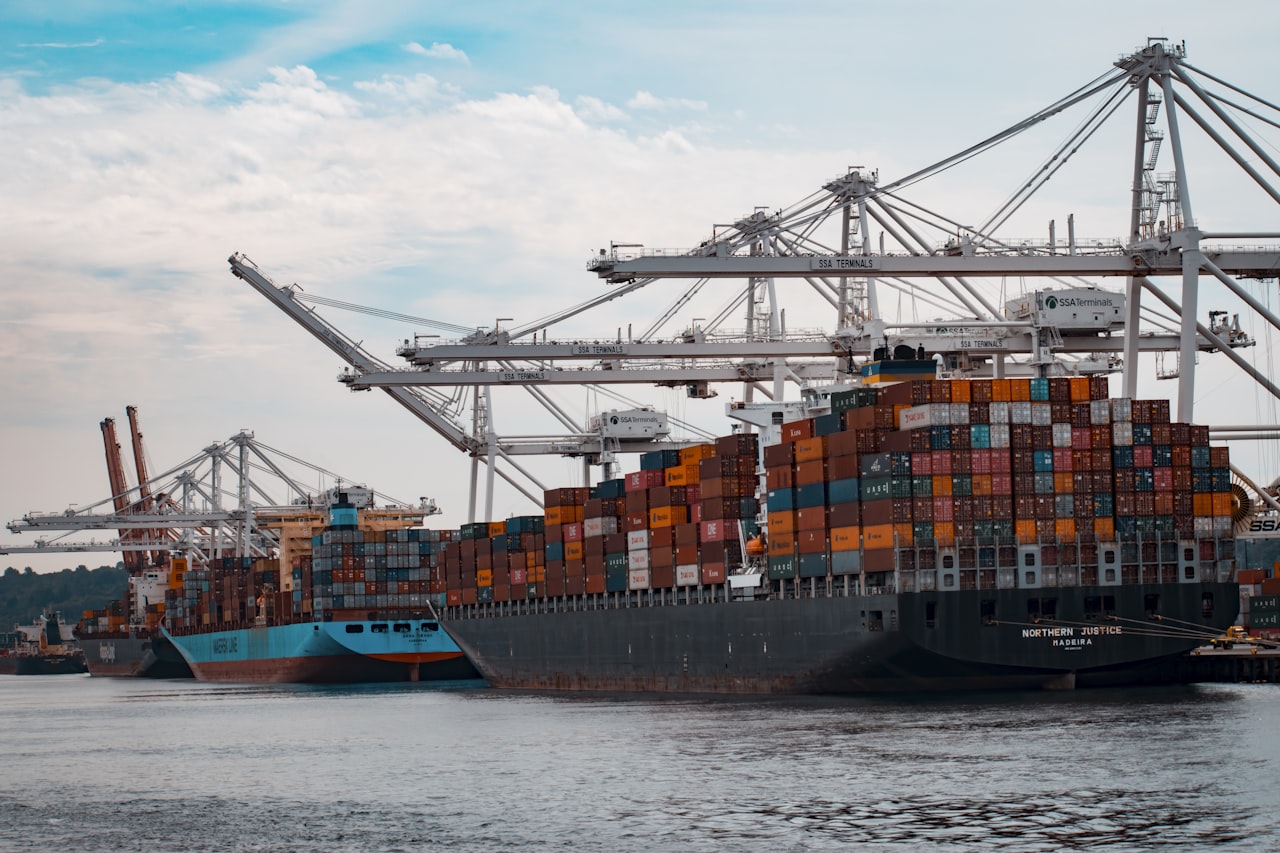

Transatlantic trade tensions escalated significantly this week as the European Union confirmed it was preparing a package of retaliatory tariffs on US goods worth approximately €30 billion annually, in response to the sweeping import duties imposed by the Trump administration in February 2026. The EU measures, which are expected to be formally approved by member states next month following a period of public consultation, target a range of American exports including agricultural products, industrial machinery, chemicals and consumer goods — with a particular focus on goods produced in US states represented by Republican politicians.
European Commission trade commissioner Maros Sefcovic said the bloc had “exhausted all diplomatic options” in its attempts to secure an exemption from the US tariffs, which impose a 25% levy on steel and aluminium imports and a 10% baseline tariff on most other goods, with higher rates applying to specific sectors including electric vehicles and semiconductors. “The European Union is a rules-based trading partner and we will defend our interests and our workers in full compliance with World Trade Organisation rules,” Sefcovic told a press conference in Brussels.
The UK, which is not part of the EU customs union, faces a different but equally challenging trade situation. British goods currently face the same 10% baseline tariff as EU exports when entering the US market, with the UK government having so far failed to negotiate a sector-specific exemption despite extensive diplomatic engagement with Washington. The government has been particularly keen to secure relief for the automotive sector, where UK manufacturers including Jaguar Land Rover face significant competitive pressure from the tariffs on cars shipped to the United States.
Business groups on both sides of the Atlantic have warned of serious economic consequences if the tariff war escalates further. The US Chamber of Commerce estimated that the tariffs already in place will cost American businesses and consumers $180 billion annually in higher prices, while BusinessEurope put the cost to European companies at €45 billion per year in lost competitiveness. Both organisations called for an immediate return to negotiations.
Financial markets have responded with increased volatility to the escalating trade tensions. European equity indices fell between 1.5% and 2.3% on Wednesday following reports of the EU’s retaliatory plans, while the euro weakened against major currencies. Economists at the IMF warned that a full-scale transatlantic trade war could reduce global GDP growth by up to 0.8 percentage points and push several European economies, including Germany, into recession.
— Thomas Hargreaves, London Capital Post